
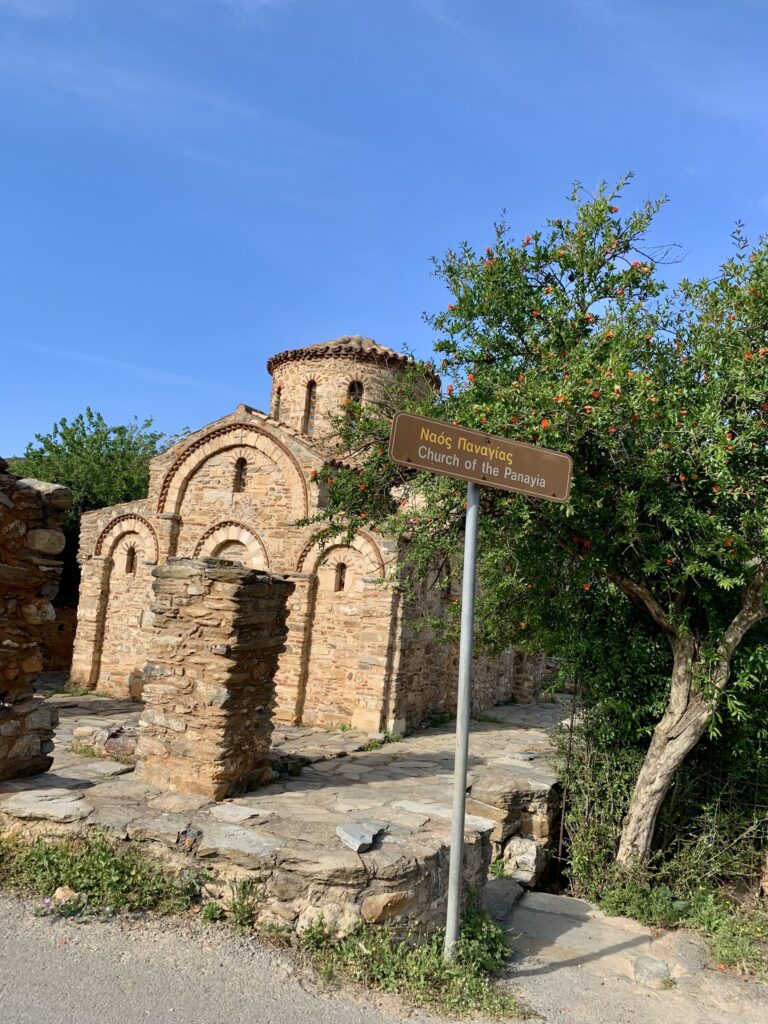
Panagia of Fodele: The Byzantine „School“ of El Greco
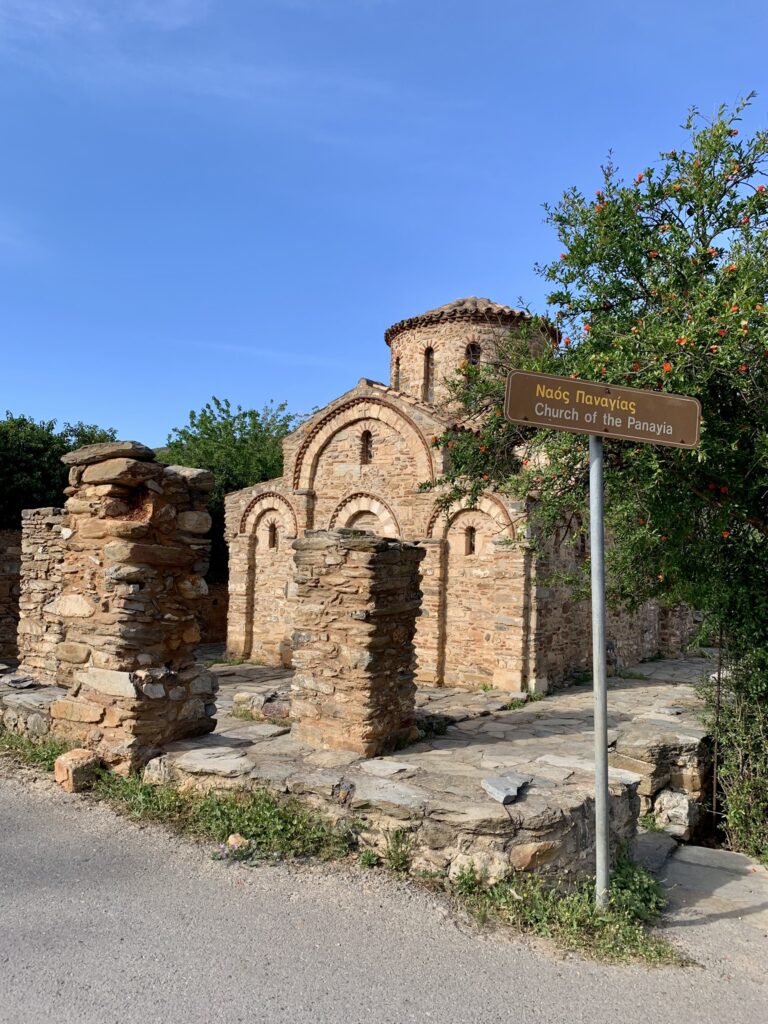
If you ever find yourself in the picturesque village of Fodele, just a few kilometers outside Heraklion, your path will surely lead you to the museum-home of the great Domenikos Theotokopoulos. But right across from it, nestled among orange groves and plane trees, stands a silent witness to centuries of history: the Church of the Annunciation (Panagia of Fodele).
This is not just another church; it is an architectural palimpsest connecting three different eras, starting from a 6th-century Early Christian basilica upon which the current 11th-century church was built.
A Miracle Revealed
For years, the beauty of these frescoes was hidden. During the Ottoman occupation, the entire interior was whitewashed to cover the Christian imagery. When the church was finally „unveiled“ and cleaned, the vibrant colors we see today emerged, preserved perfectly under the lime for centuries. Remarkably, the church stands exactly as it was found—raw and authentic, without modern restoration, though sadly, much of its original portable treasure was looted during those turbulent times.
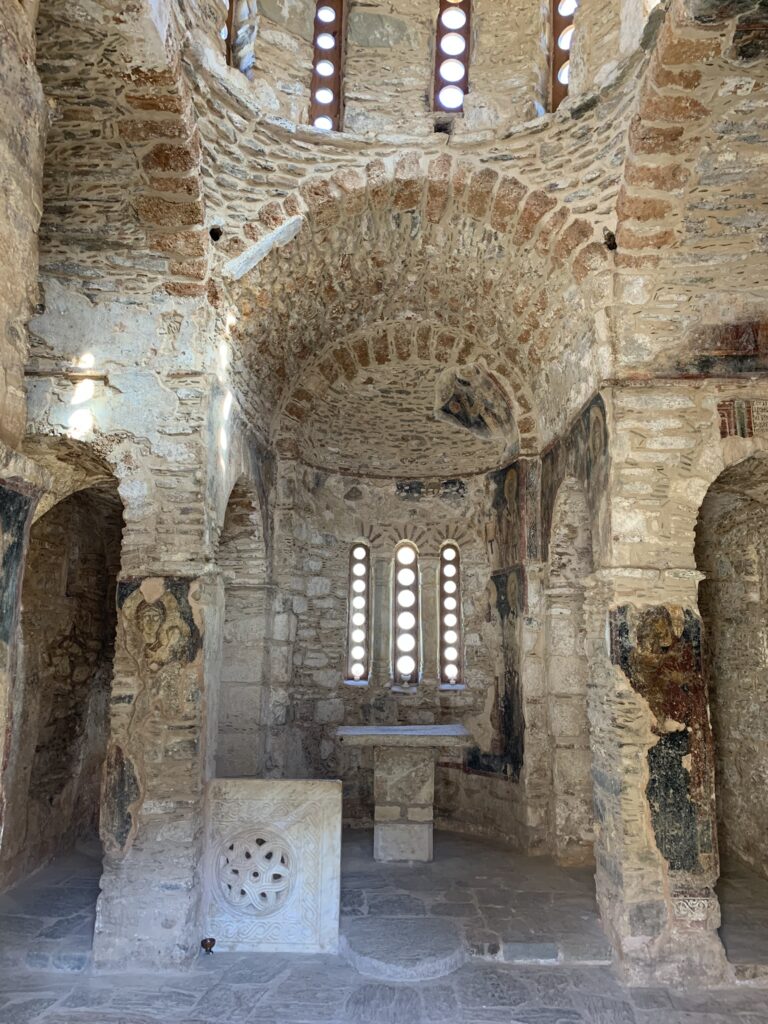
The Scars of History: Eyes Wide Shut
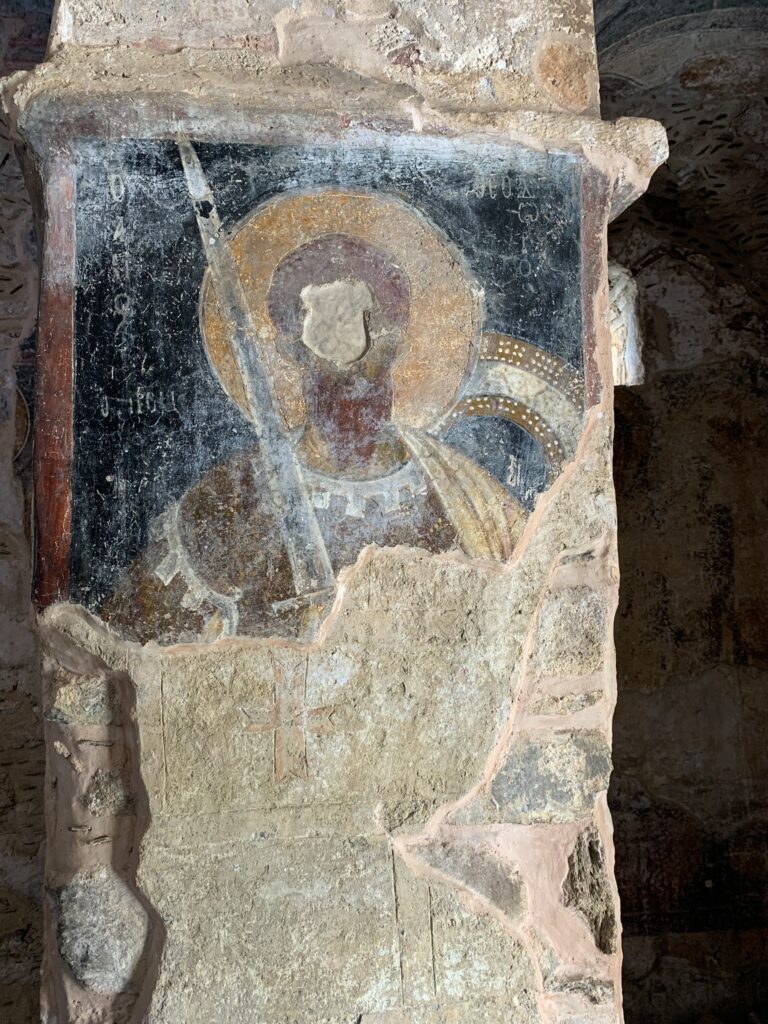
As you browse through my photos, you might notice something heartbreaking: the eyes of the Saints in many frescoes are missing or scratched out. This wasn’t the work of time, but of the Ottoman conquerors. They believed that the spiritual power of an icon resides in the eyes. By defacing them, they sought to diminish the sanctity of the images and, consequently, the faith of the locals. It’s a powerful reminder of the struggles this church has endured.
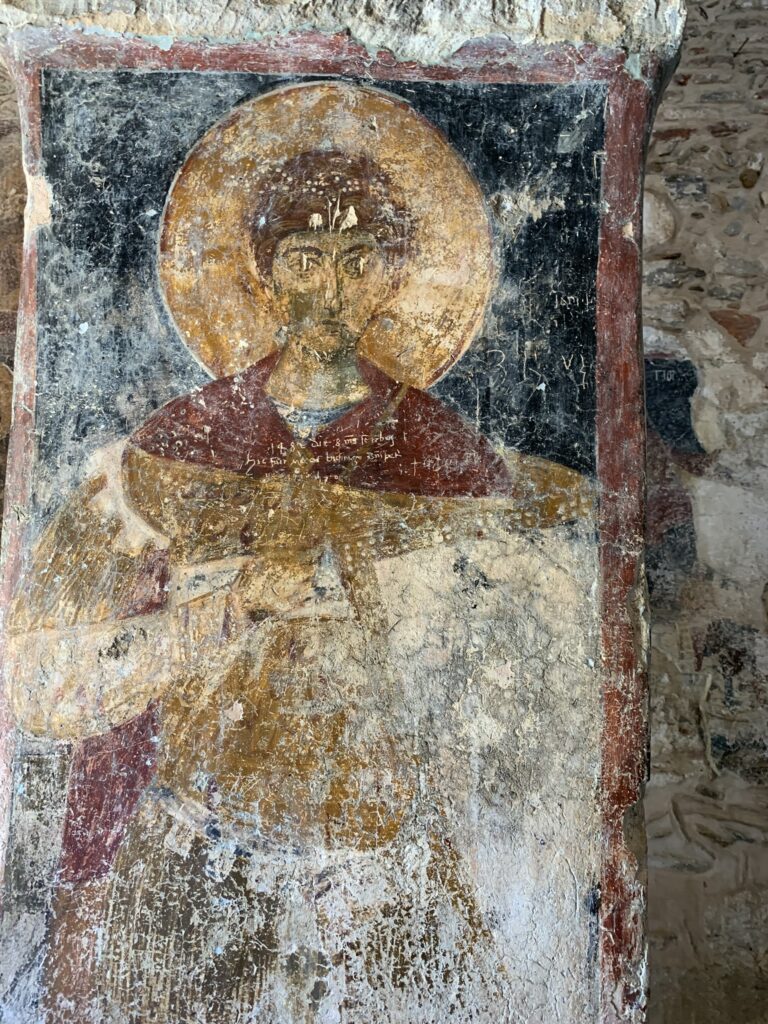
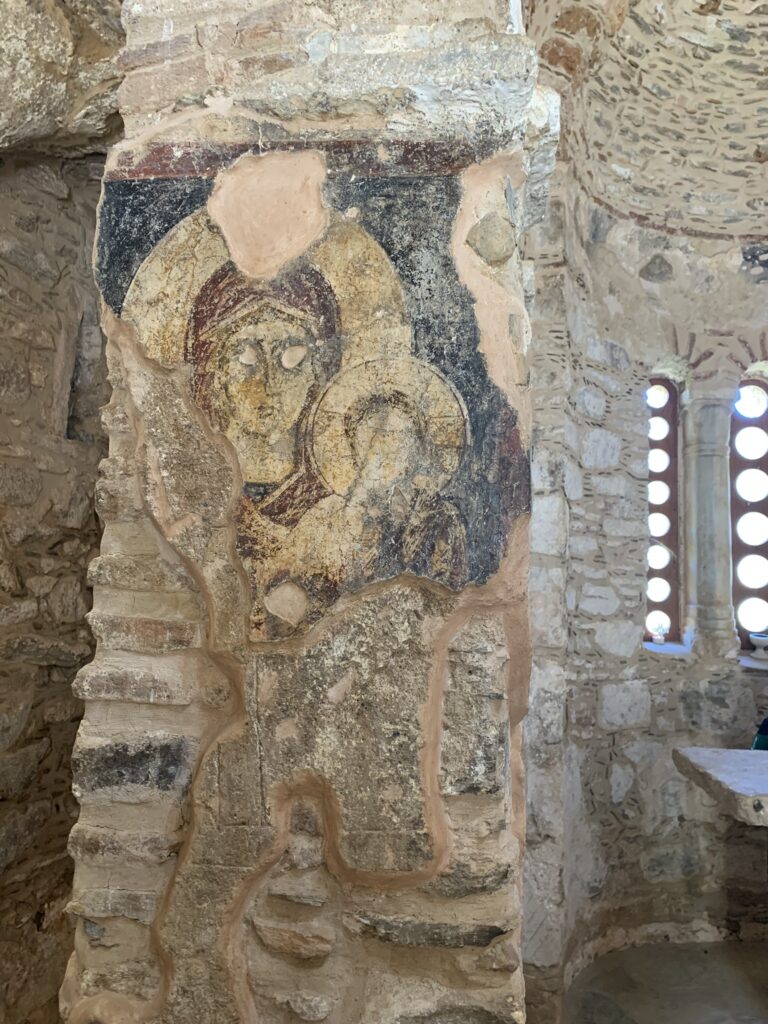
The Rear Courtyard: An Immaculate Marble Treasure
As you step outside to the rear side of the church, the journey through time continues with the discovery of the ancient marble baptismal font. Much like the acoustic jars hidden in the walls and the silent frescoes inside, this font stands as an immaculate relic of faith.
Though the Ottomans may have scarred the eyes of the Saints within, they left this sacred vessel untouched. It remains in pristine condition to this day, a solid marble link between the medieval past and the present. Standing in the shadow of the church’s stone arches, it serves as a final, quiet reminder of the enduring sanctity that defines Fodele.
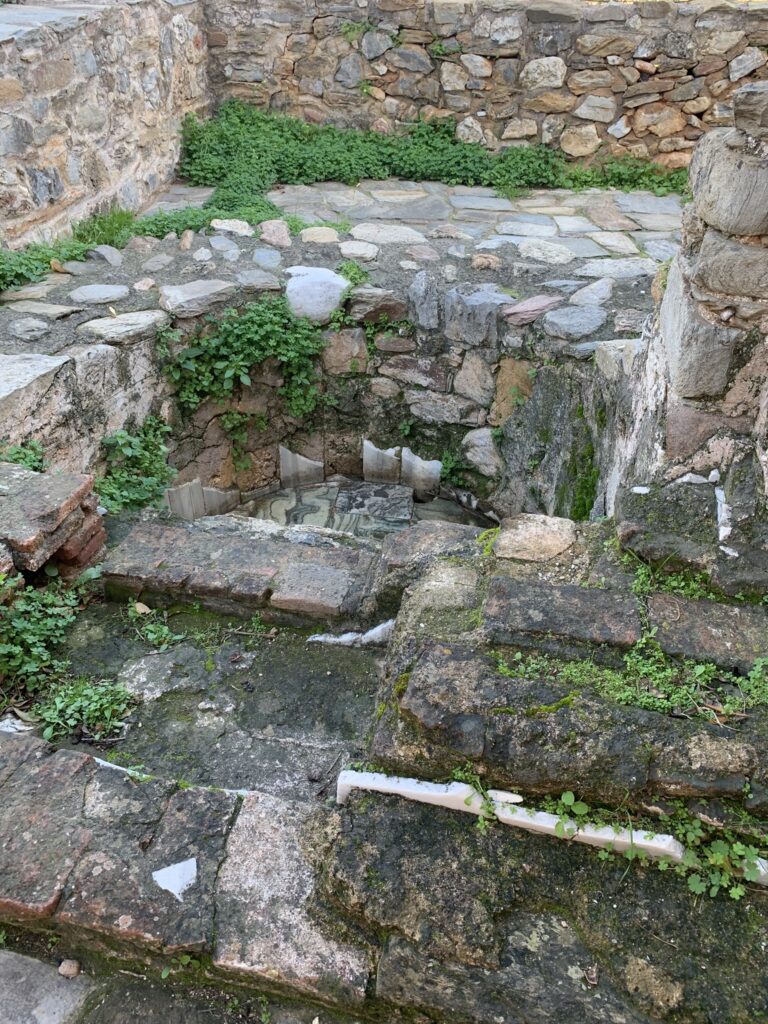
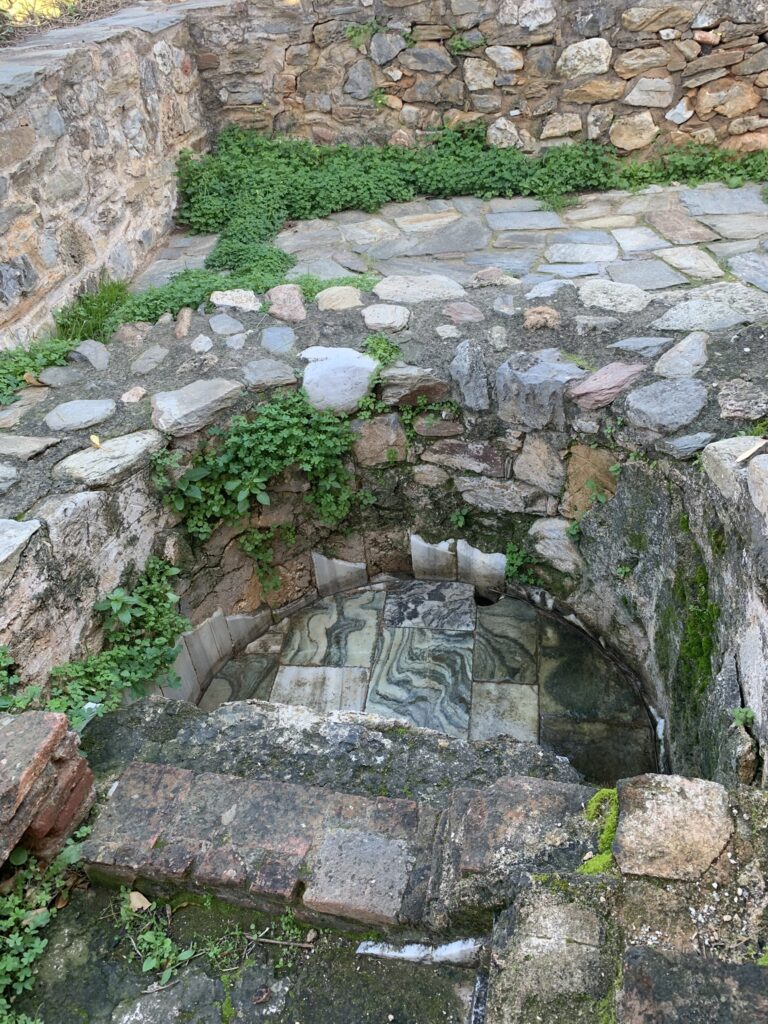
Secrets Under Your Feet and Within the Walls
The history of Panagia of Fodele isn’t just on the walls; it’s everywhere:
-
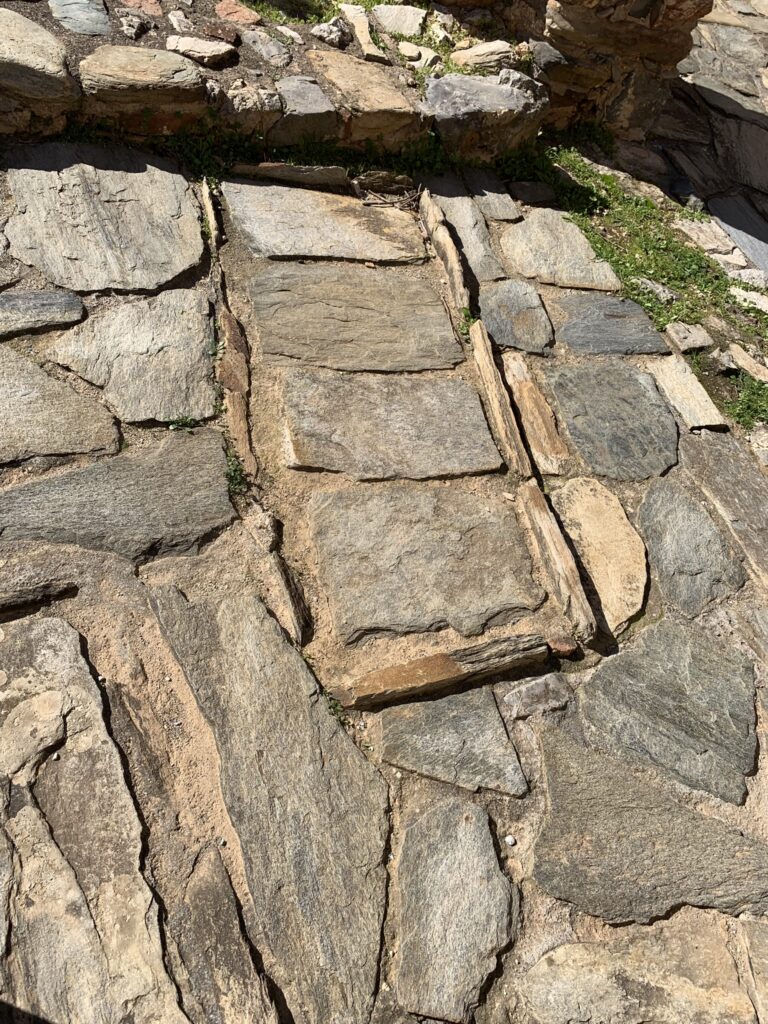
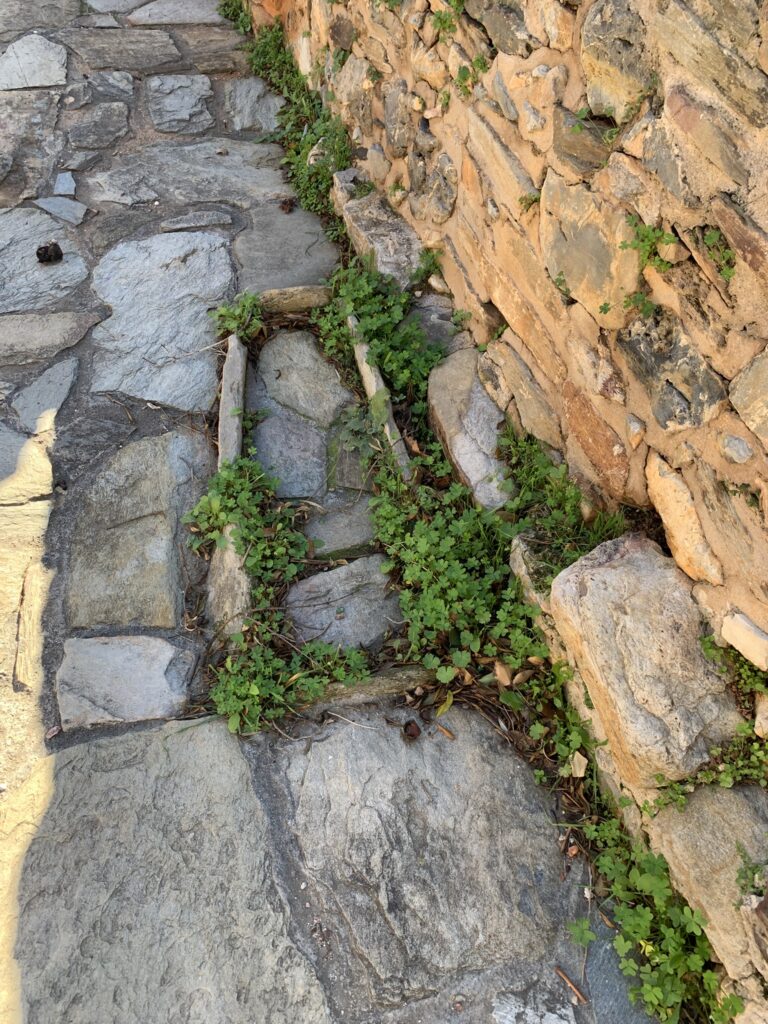
The Silent Graveyard: Outside the church, look closely at the stone-carved rectangles on the ground. These are ancient graves. To this day, skeletons remain beneath the earth, a resting place for those who guarded this sanctuary through the centuries.
-
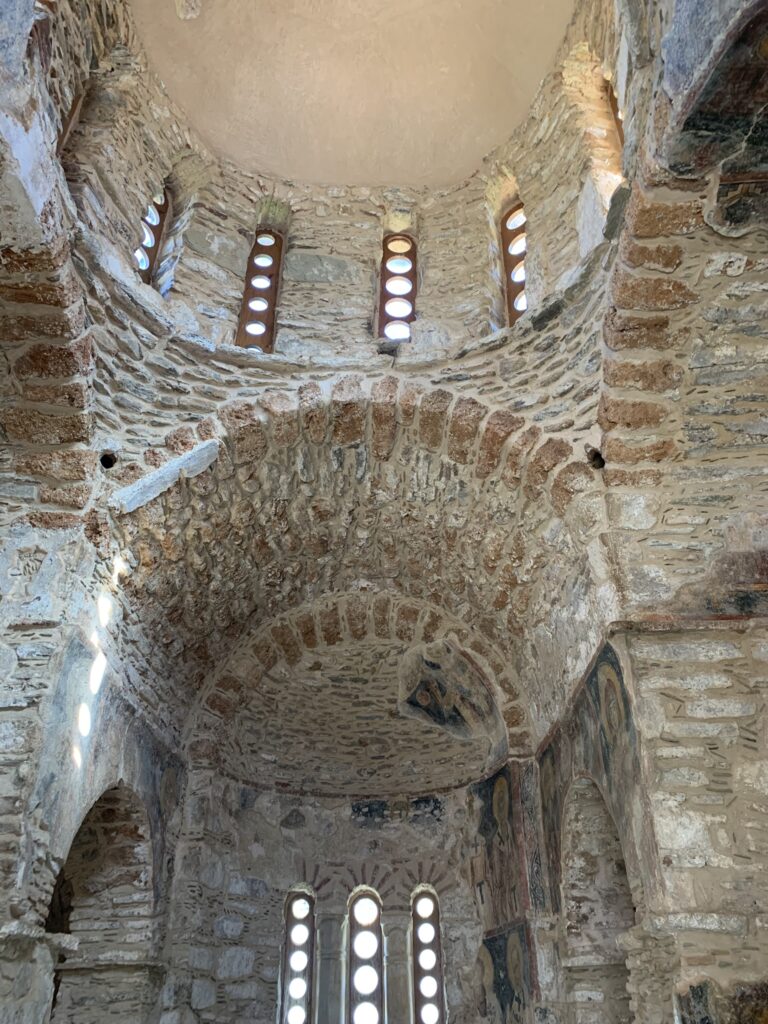
Byzantine „High-Tech“ Sound System: If you look at the upper interior walls, you’ll spot small, intentional holes. These are actually embedded clay jars used as acoustic resonators! Long before modern speakers, the Byzantines used this „technology“ to amplify and distribute the chanter’s voice throughout the stone dome.
The Secret Connection: From Byzantium to El Greco
Many wonder how a Cretan painter managed to conquer Europe with such a unique style. The answer might lie within these walls.
Art historians suggest that young Domenikos grew up with these frescoes as his daily imagery. If you look closely at the figures in the church, you will notice:
-
Elongated Figures: The tall, slender bodies that became El Greco’s trademark in Spain.
-
Spirituality and Light: The ethereal glow of Byzantine saints was transformed by his hands into his own unique „divine light.“
-
The Power of the Line: The strictness of the Byzantine style from the 11th and 14th centuries (the church’s two layers of frescoes) was the foundation upon which he built his later Renaissance and Mannerist education.
It is fascinating to think that El Greco never forgot his roots; he carried them from this small chapel in Fodele all the way to the cathedrals of Toledo.
Travel Tips: How to Get There
A visit to Panagia of Fodele is an experience that combines art and nature.
-
Access: Fodele is about a 25-30 minute drive from Heraklion. Follow the National Road towards Rethymno / Chania and take the Fodele exit. The church is located about 1 km past the village.
-
Opening Hours: The church is usually open during the El Greco Museum’s operating hours (Summer season, daily 09:00 – 19:00).
-
Extra Tip: After your visit, take a stroll through the village to taste the famous Fodele oranges and relax by the river under the ancient plane trees.
Highlight: Don’t miss the marble baptistery outside—a rare find preserved from the Early Christian period!
To truly discover these hidden gems of Crete, like the mystical Church of Panagia in Fodele, having the freedom to explore at your own pace is essential. The scenic drive to the village is an experience in itself, and with the reliable services of Cars Spot Rent a Car you can ensure a comfortable and stress-free journey to the heart of Cretan history. Don’t just follow the map—create your own path to the island’s most sacred spots.
Next time you visit Fodele, don’t just stay at the square—walk up to the church and find these hidden details for yourself. 😊
Driving Instructions from Heraklion Airport to Fodele
Getting to Fodele from Heraklion International Airport (HER) is a straightforward and scenic drive. Once you pick up your Cars Spot rental car, follow these simple steps:
-
The Route: Exit the airport and merge onto the VOAK/E75 highway (National Road) heading West towards Rethymno/Chania.
-
Duration: The drive is approximately 30 kilometers and takes about 30 minutes, depending on traffic.
-
The Scenery: You will enjoy a beautiful coastal drive with the Cretan Sea on your right side.
-
The Turn-off: Keep an eye out for the signs clearly marked „Fodele„. The exit will lead you directly to the heart of the village.
Use our interactive map below to navigate in real-time: